Mason Jar Salads 101: Fresh Lunches That Last Up To 6 Days
Are you tired of sad, soggy desk lunches? Do you dream of vibrant, fresh salads that stay crisp all week long, without the hassle of daily prep? If so, welcome to the revolutionary world of mason jar salads! What might seem like a simple container swap is, in fact, a game-changer for healthy eating, convenient meal prep, and avoiding that dreaded midday wilt. Once a skeptical concept for many, the mason jar salad has earned its stripes as a hero of modern meal planning, offering a surprisingly simple solution to enjoying nutritious, delicious meals even on the busiest of schedules.
Why Choose Mason Jars for Your Salads? It's More Than Just a Jar!
You might wonder, "What's wrong with my regular Tupperware?" While plastic containers have their place, mason jars offer a unique set of advantages that elevate your salad experience from good to absolutely fantastic. Understanding these benefits is key to truly embracing the
mason jar salads 101 philosophy.
*
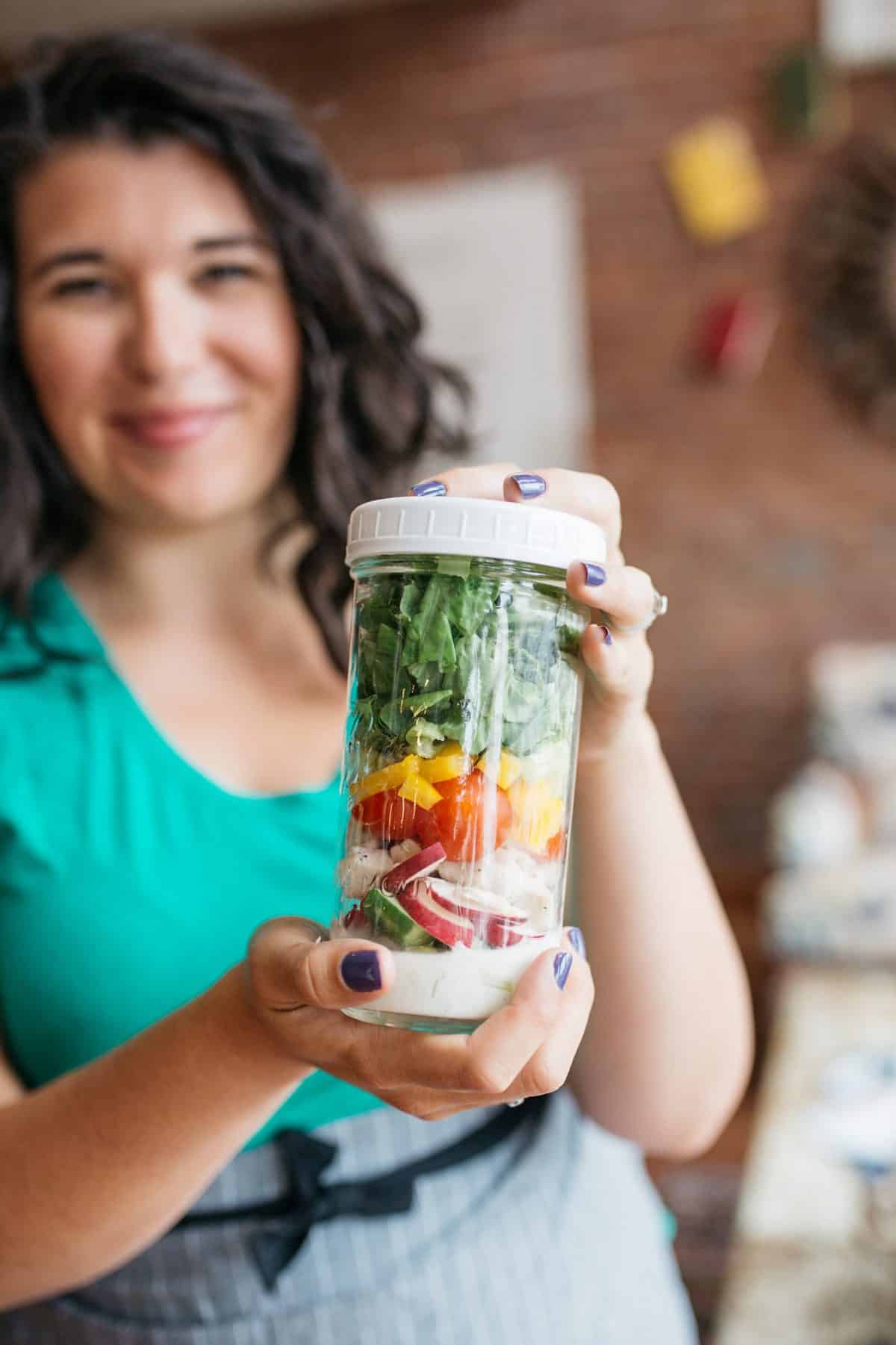
The Science of No-Soggy Success: This is arguably the biggest selling point. The narrow, vertical design of a mason jar creates an ingenious layering system. Dressing goes on the very bottom, safely separated from delicate greens and other easily-sogged ingredients. This design ensures that your crunchy components stay crunchy, your greens stay crisp, and your dressing only mixes in when you're ready to eat. Say goodbye to limp lettuce and waterlogged vegetables! If you've ever despaired over a lunch salad that was a soggy mess by noon, you'll instantly appreciate this ingenious design. You can
Never Eat a Soggy Salad Again: Master Mason Jar Layering with this technique.
*
Healthier, Safer Storage: Glass mason jars eliminate concerns about BPAs (Bisphenol A) and other potentially harmful chemicals often found in some plastic containers. While BPA-free plastic options exist, glass offers a naturally non-toxic, non-leaching alternative that doesn't retain food odors or stains. It’s a clean slate every time!
*
Unbeatable Longevity: Thanks to the airtight seal and strategic layering, mason jar salads can stay fresh and vibrant in your refrigerator for an impressive 5 to 6 days. This longevity is unparalleled by most traditional salad containers, allowing you to dedicate a couple of hours on the weekend to prep a whole week's worth of lunches. Imagine the freedom of pulling a perfectly fresh, delicious lunch out of the fridge every morning! This makes them an ultimate
Why Mason Jar Salads Are Your Week's Best Meal Prep Hack.
*
Visually Appealing & Appetizing: Let's be honest, we eat with our eyes first! The transparent glass of a mason jar beautifully showcases the vibrant colors and varied textures of your salad ingredients. A layered jar bursting with greens, colorful veggies, and tasty toppings is far more enticing than a homogenous mix in an opaque container. This visual appeal can genuinely make you more excited to eat your healthy meal.
*
Eco-Friendly & Economical: Mason jars are reusable, durable, and readily available. Investing in a set of jars is a one-time cost that saves you money over time by reducing reliance on single-use plastic containers or expensive takeout lunches.
The convenience of having healthy, pre-made food ready to go can truly transform your daily routine. It eliminates decision fatigue, prevents unhealthy impulse buys, and ensures you're fueling your body with nutrient-rich meals, even when you're incredibly busy.
The Golden Rule: Mastering the Art of Mason Jar Layering
The success of your mason jar salad hinges entirely on proper layering. This isn't just about aesthetics; it's about preserving freshness and preventing sogginess. Remember the mantra:
liquids on the bottom, soft and delicate ingredients on top. Here’s your definitive guide to building a perfect mason jar salad:
Choosing Your Jar
While various sizes work, wide-mouth pint (16 oz) or quart (32 oz) mason jars are generally recommended. Wide-mouth jars make it much easier to pack ingredients and remove them. Pint jars are great for side salads or smaller portions, while quart jars are ideal for a hearty, full meal.
The Layer-by-Layer Breakdown:
1.
Layer 1: Salad Dressing (The Foundation)
* This is where your chosen dressing goes! Pour about 2-4 tablespoons (depending on your preference and jar size) directly into the bottom of the clean jar.
*
Tip: Creamy dressings like ranch or Caesar tend to be thicker and can offer a bit more protection. Vinaigrettes work perfectly too.
*
Examples: Balsamic vinaigrette, lemon-tahini dressing, olive oil and apple cider vinegar, creamy herb dressing.
2.
Layer 2: Hard, Non-Absorbent Vegetables & Legumes (The Barrier)
* These sturdy ingredients act as a protective barrier, preventing the dressing from seeping up into softer layers. They can marinate slightly in the dressing, enhancing their flavor.
*
Examples: Chickpeas, black beans, kidney beans, corn, chopped carrots, cucumbers, bell peppers (any color), red onion, celery, broccoli florets, peas, pickled vegetables.
3.
Layer 3: Grains & Pastas (The Hearty Filler)
* Cooked grains and pastas add substance, fiber, and complex carbohydrates to your salad, making it a more satisfying meal. They can absorb some moisture but are sturdy enough not to get mushy.
*
Examples: Cooked quinoa, brown rice, farro, couscous, orzo, small pasta shapes.
4.
Layer 4: Heartier Proteins & Cheeses (Pre-Cooked & Firm)
* If you're adding proteins that are relatively firm and won't get soggy easily, they can go here. For the freshest results, many prefer to add delicate proteins and cheeses on the day of eating.
*
Examples: Shredded chicken, cooked shrimp, hard-boiled egg whites (chopped), crumbled feta (drained), firm block cheese (cubed).
*
Important Note: For optimal freshness and food safety over several days, consider adding softer proteins like sliced hard-boiled eggs, tuna, or more delicate cheeses (like goat cheese) on the day you plan to eat the salad.
5.
Layer 5: Softer Vegetables & Fruits (The Flavor & Texture Boost)
* These add bursts of flavor and varied textures. They should still be firm enough to withstand a few days in the fridge without becoming overly soft from proximity to other ingredients.
*
Examples: Cherry tomatoes, roasted sweet potatoes or squash, grilled zucchini or eggplant, artichoke hearts, olives, sliced mushrooms.
*
Crucial Tip: Extremely delicate items like avocado slices, fresh berries (strawberries, blueberries), or very ripe tomatoes are best added on the day you eat the salad to prevent browning or mushiness.
6.
Layer 6: Nuts, Seeds & Crunchy Toppings (The Texture Enhancers)
* These provide a wonderful crunch and additional nutrients. Placed higher up, they stay crisp.
*
Examples: Almonds, walnuts, pecans, sunflower seeds, pumpkin seeds, croutons (add day-of for maximum crunch), crumbled tortilla chips.
7.
Layer 7: Salad Greens (The Crowning Glory)
* This is the final, top layer. Pack your greens loosely so they don't get crushed, but fill the jar to the brim to minimize air exposure.
*
Examples: Romaine lettuce, spinach, kale, mixed greens, spring mix, arugula.
*
Tip: Heartier greens like kale and romaine tend to hold up best over several days.
Tips for Mason Jar Salad Mastery
*
Wash and Dry Thoroughly: Ensure all your produce is completely dry before layering. Excess moisture is the enemy of freshness. A salad spinner is your best friend here!
*
Portion Control: Mason jars naturally help with portion control. A pint jar is usually a good single serving, while a quart jar is for heartier appetites or those needing more bulk.
*
Variety is the Spice of Life: Don't be afraid to experiment with different flavor profiles! Mediterranean, Mexican, Asian, or classic American — the possibilities are endless. Change up your grains, proteins, and veggies throughout the week to keep things exciting.
*
Store Smart: Once layered, screw the lid on tightly and refrigerate your salads. They're typically good for 5-6 days. Remember to add any delicate toppings (avocado, fresh berries, sliced hard-boiled eggs, soft cheeses) on the morning you plan to eat your salad.
*
Eating Your Salad: When you're ready to enjoy, simply unscrew the lid, invert the jar into a larger bowl, and give it a good toss. The dressing will now coat all the ingredients perfectly!
Conclusion
Mason jar salads are more than just a trend; they’re a sustainable, healthy, and incredibly convenient approach to meal prep. By understanding the simple science of layering and embracing the benefits of glass containers, you can unlock a world of fresh, delicious, and perfectly portioned lunches that last all week. Ditch the soggy sorrow and embrace the vibrant joy of a perfectly preserved salad. Give
mason jar salads 101 a try – your taste buds, your waistline, and your busy schedule will thank you!