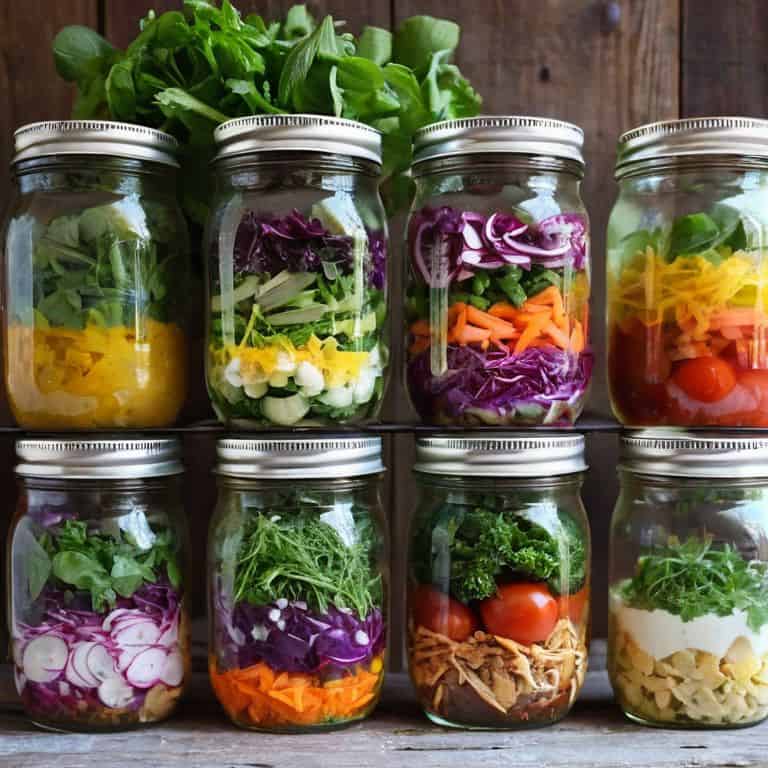
Never Eat a Soggy Salad Again: Master Mason Jar Layering
Are you tired of packing a vibrant, healthy salad for lunch only to find it a sad, soggy mess by midday? The struggle is real. Wilted greens, watery dressing, and bland flavors can quickly turn a good intention into a disappointing meal. But what if there was a simple, elegant solution that not only kept your salads crisp and fresh for days but also made meal prep a breeze? Welcome to the world of
mason jar salads 101 – a revolutionary approach to enjoying perfectly fresh, delicious salads, every single time.
For years, many of us relied on traditional plastic containers, only to be met with the inevitable sogginess that comes from dressing mingling with delicate greens too soon. Scepticism about "salads in a jar" is common, but once you experience the magic of proper layering, you'll wonder how you ever managed without them. This comprehensive guide will transform your meal prep routine, ensuring every bite is as fresh and flavorful as the first.
Why Mason Jar Salads Are a Game-Changer for Healthy Eating
The concept of building a salad in a mason jar might seem unconventional at first, but its benefits are undeniable and profound, making it a cornerstone of efficient and healthy meal prep.
*
Sogginess Prevention: The Ingenious Layering System: This is the primary advantage. The narrow design of the mason jar, combined with strategic layering, creates a protective barrier. Dressing stays at the bottom, safely away from your greens and softer ingredients until you're ready to eat. This simple trick ensures your lettuce remains crisp, your vegetables retain their snap, and your entire salad stays vibrant.
*
Extended Freshness: Unlike salads tossed in a regular container, which often begin to degrade within a day, correctly layered mason jar salads can last for an astonishing 5-6 days in the refrigerator. This longevity is a dream come true for weekly meal prep. Imagine making a week's worth of lunches on a Sunday evening and having healthy, delicious options ready to grab and go every morning! This incredible longevity is one of the key reasons
Why Mason Jar Salads Are Your Week's Best Meal Prep Hack, offering you fresh, nutritious meals without daily effort.
*
BPA-Free and Eco-Friendly: Opting for glass mason jars eliminates concerns about potential harmful chemicals like BPAs found in some plastic containers. Glass is also a more sustainable choice, easily washable and reusable for years, reducing your environmental footprint.
*
Visual Appeal and Motivation: Let's be honest: we eat with our eyes first. The transparent glass of a mason jar beautifully showcases the vibrant colors and varied textures of your salad ingredients. A visually appealing meal is not only more enjoyable but also serves as a powerful motivator to choose healthy options, especially when you're busy and might otherwise forget to eat proper meals. With proper layering, you're essentially creating a mini ecosystem for your salad, ensuring it remains crisp and vibrant for days – truly embodying the spirit of
Mason Jar Salads 101: Fresh Lunches That Last Up To 6 Days.
*
Ultimate Convenience for Busy Lifestyles: For those who find themselves constantly on the go or prone to skipping meals due to a demanding schedule, mason jar salads are a lifesaver. Having a pre-made, healthy lunch ready in the fridge eliminates decision fatigue and ensures you're fueling your body throughout the day, preventing that overwhelming hunger that often leads to less healthy dinner choices.
The most important principle to engrain in your mind for successful mason jar salads is this:
liquids on the BOTTOM and soft, delicate ingredients on TOP. This fundamental rule is the secret to preventing sogginess and preserving freshness.
The Art of Layering: Your Mason Jar Salad Blueprint
Mastering the layering technique is crucial for optimal results. Think of your mason jar as a mini ecosystem, where each layer plays a specific role in protecting the others. For best results, always opt for wide-mouth pint or quart-sized mason jars, as they make it significantly easier to pack and retrieve your ingredients.
Step-by-Step Layering Guide:
Here's the definitive guide to building your perfect, non-soggy mason jar salad:
Layer 1: The Flavor Foundation (Salad Dressing)
Start with 2-4 tablespoons of your favorite salad dressing at the very bottom. This could be a vibrant vinaigrette, a creamy ranch, or a zesty tahini dressing. The key is to have a robust, emulsified dressing that won't separate easily. Avoid overly thin or watery dressings here, as they might seep through layers.
Layer 2: The Sturdy Barrier (Hard Vegetables & Legumes)
Next come the hardest, least absorbent vegetables and beans. These robust ingredients act as a crucial barrier, preventing the dressing from migrating upwards and saturating your more delicate layers.
- Hard Vegetables: Diced carrots, cucumber slices, bell pepper strips (any color), red onion, corn kernels, peas, broccoli florets, celery, radishes, jicama.
- Legumes: Black beans, kidney beans, chickpeas, cannellini beans, lentils.
These ingredients are hearty enough to withstand direct contact with the dressing for days without breaking down.
Layer 3: The Hearty Core (Grains & Pastas)
This layer adds substance, fiber, and complex carbohydrates, making your salad a truly satisfying meal.
- Grains: Cooked quinoa, farro, barley, brown rice, couscous, wild rice.
- Pastas: Small cooked pasta shapes like orzo, ditalini, or macaroni.
Ensure these are completely cooled before adding them to the jar to prevent condensation.
Layer 4: The Protein Powerhouse (Proteins & Cheeses)
This is where you add your main source of protein and any cheeses.
- Proteins: Diced cooked chicken or turkey, canned tuna or salmon (drained), hard-boiled eggs (sliced or chopped), cooked shrimp, tofu (baked or grilled), tempeh.
- Cheeses: Feta cheese crumbles, shredded cheddar, diced mozzarella.
Pro Tip: If you're preparing salads for the entire week, consider adding more delicate proteins (like avocado, or very soft cheeses like goat cheese) or easily perishable items (like cooked shrimp or tuna) on the morning you plan to eat the salad. This ensures maximum freshness and prevents any potential spoilage.
Layer 5: The Delicate Mid-Layer (Softer Vegetables & Fruits)
These ingredients benefit from being further away from the dressing but are still firm enough not to get crushed by the greens.
- Softer Vegetables: Cherry tomatoes (halved or whole), roasted vegetables (sweet potatoes, zucchini, eggplant), mushrooms, artichoke hearts.
- Fruits: Grapes, mandarin oranges, apple slices (toss with lemon juice to prevent browning).
Crucial Note: Extremely delicate items like sliced avocado or fresh berries (strawberries, blueberries) should be added to the top of the jar *just before eating* to prevent browning, crushing, or sogginess.
Layer 6: The Green Crown (Salad Greens)
Finally, the greens! These go right at the very top, packed loosely so they don't get bruised. They should be as far away from the dressing as possible.
- Greens: Romaine lettuce, spinach, kale, mixed greens, spring mix, arugula.
Ensure your greens are thoroughly washed and dried (a salad spinner is your best friend here!) to prevent excess moisture, which can lead to wilting.
Layer 7 (Optional): The Crunchy Topper (Nuts & Seeds)
For added texture and healthy fats, you can sprinkle a layer of nuts or seeds on top of your greens, or add them just before eating.
- Nuts/Seeds: Almonds, walnuts, pecans, sunflower seeds, pumpkin seeds, croutons (add last).
Maximizing Freshness and Flavor: Advanced Tips for Your Jar Salads
Beyond the basic layering, a few extra tips can elevate your mason jar salad game from good to gourmet.
*
Choose the Right Jar Size: A wide-mouth pint jar (16 oz) is perfect for a side salad or lighter lunch. For a more substantial meal, especially if you include grains and proteins, a wide-mouth quart jar (32 oz) is ideal.
*
Thoroughly Dry Your Greens: This cannot be stressed enough. Any residual water on your greens will accelerate wilting. A salad spinner is an invaluable tool for this step.
*
Chill Ingredients Completely: Ensure all cooked grains, proteins, and chopped vegetables are thoroughly cooled before layering them into the jar. Adding warm ingredients will create condensation, leading to soggy salads.
*
Don't Overpack: While you want to utilize the space, avoid jamming ingredients too tightly, especially the greens. Leave a little room at the top to allow for easy shaking when it's time to eat.
*
Store Properly: Once layered, screw the lid on tightly and store your mason jar salads upright in the refrigerator. They typically remain fresh for up to 5-6 days.
*
The Serving Ritual: When you're ready to eat, simply unscrew the lid and shake the entire contents into a bowl. The dressing, previously at the bottom, will naturally coat all the ingredients as they tumble out, resulting in a perfectly dressed, fresh salad every time.
*
Variety is the Spice of Life: Don't get stuck in a rut with the same ingredients. Experiment with different dressings, proteins, grains, and vegetable combinations. Try themed salads like a Mediterranean jar (quinoa, chickpeas, cucumbers, tomatoes, feta, olives), an Asian-inspired jar (noodles, edamame, shredded carrots, bell peppers, sesame dressing), or a Mexican fiesta jar (black beans, corn, salsa, bell peppers, seasoned chicken, cilantro).
Conclusion
Embracing
mason jar salads 101 is more than just a meal prep hack; it's a commitment to healthier, more convenient, and more enjoyable eating. By mastering the simple art of layering, you can banish soggy salads from your life forever, replace forgotten meals with nutritious options, and bring a vibrant, appealing aesthetic to your daily routine. So, grab your wide-mouth mason jars, gather your favorite ingredients, and start layering your way to a week of delicious, perfectly fresh salads. Your taste buds, your waistline, and your schedule will thank you.