Why Mason Jar Salads Are Your Week's Best Meal Prep Hack
In the quest for convenient, healthy eating, we often find ourselves battling soggy greens, lack of variety, and the dreaded lunchtime slump. Perhaps you've heard the buzz about "salads in a jar" and, like many, wondered if it was just another fleeting food trend. Could a humble mason jar truly revolutionize your meal prep? After years of experimenting with various containers and techniques, we can confidently say: absolutely. Welcome to mason jar salads 101, your ultimate guide to mastering the art of fresh, vibrant, and incredibly convenient lunches that stay crisp all week long.
The concept might seem simple, but the genius lies in its unique design and layering strategy. Forget sad desk salads and expensive takeout – with a little upfront planning, mason jar salads offer a rainbow of nutrients, flavors, and textures, all perfectly preserved and ready to enjoy whenever hunger strikes. It's more than just a container; it's a game-changing approach to making healthy eating an effortless part of your daily routine.
The Unbeatable Mason Jar Advantage: Why Jars Trump Traditional Containers
Before diving into the how-to, let's explore why the mason jar has become the undisputed champion of salad storage, leaving traditional plastic containers in its wake:
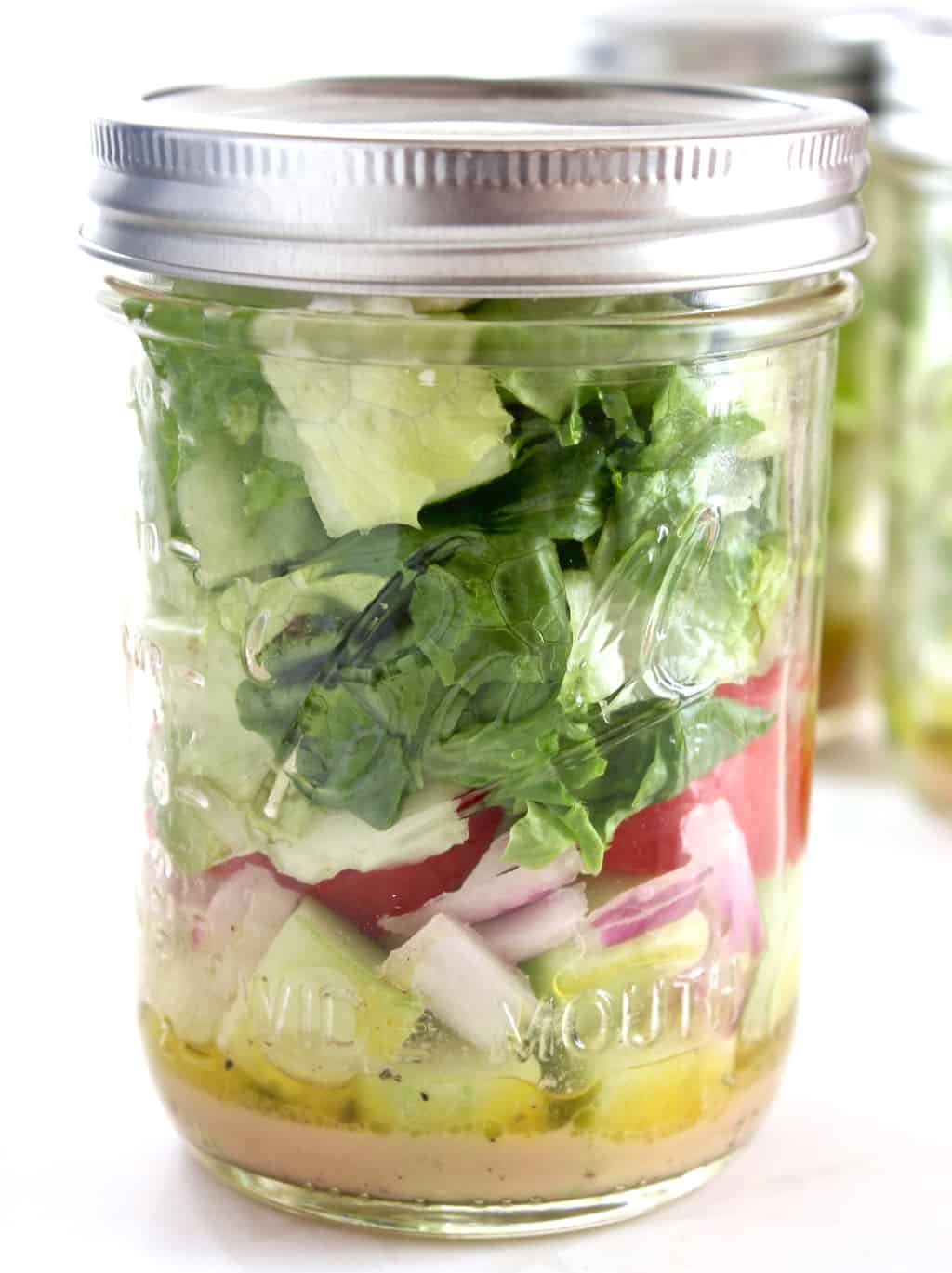
- Soggy-Proof Design: This is the holy grail for salad lovers. The narrow, vertical structure of a mason jar is ingeniously designed to prevent sogginess. By layering the dressing at the very bottom, followed by robust ingredients, and finally delicate greens on top, the dressing is kept away from your lettuce until you're ready to eat. This separation is key to maintaining freshness and crispness for days.
- Extended Freshness: Thanks to their airtight seal, mason jar salads can stay fresh and delicious for an impressive 5-6 days in the refrigerator. This longevity means you can dedicate an hour or two on Sunday to prepare an entire week's worth of lunches, drastically cutting down on daily prep time and decision fatigue. This feature alone makes them an unparalleled Mason Jar Salads 101: Fresh Lunches That Last Up To 6 Days solution.
- Chemical-Free Storage: Opting for glass mason jars eliminates concerns about BPA and other potentially harmful chemicals that can leach from plastic containers, especially when exposed to acidic foods like salad dressing. Glass offers a pure, safe way to store your food, ensuring your healthy meal stays truly healthy.
- Visual Appeal & Motivation: Let's be honest, we eat with our eyes first. The transparent nature of glass jars showcases the vibrant colors and appealing layers of your ingredients. A beautifully crafted mason jar salad is not just a meal; it's a visual treat that can genuinely make you more excited to eat your healthy lunch, even inspiring others around you.
- Portability & Convenience: Mason jars are sturdy, easy to transport, and fit neatly into bags. When it’s time to eat, simply shake your salad into a bowl (or even eat directly from a wide-mouth jar!) and enjoy.
Mastering the Art of Layering: A Step-by-Step Mason Jar Salads 101 Guide
The secret to a perfect mason jar salad lies entirely in the layering. Adhere strictly to the "liquids on the bottom, delicate ingredients on top" rule, and you'll Never Eat a Soggy Salad Again: Master Mason Jar Layering. For best results, choose wide-mouth pint or quart-sized jars (pint for a side salad, quart for a filling meal) as they are easiest to fill and empty.
The Essential Layers:
- Layer 1: Salad Dressing (The Foundation)
This is where it all begins. Pour your favorite dressing directly into the bottom of the jar. Aim for 2-4 tablespoons, depending on your salad size and preference. The dressing acts as a protective barrier for the layers above.
Pro Tip: Thicker dressings tend to work best here, as they are less likely to seep up into higher layers prematurely.
- Layer 2: Hard, Non-Absorbent Vegetables & Legumes (The Barrier)
These ingredients are sturdy enough to sit directly in the dressing without becoming soggy. They also form a crucial barrier, preventing the dressing from migrating upwards.
Examples: Carrots (shredded or diced), cucumbers, bell peppers (all colors), red onion, corn kernels, peas, broccoli florets, chickpeas, black beans, kidney beans, lentils.
- Layer 3: Grains & Pasta (The Absorbers)
Cooked grains and pasta go next. They are hardy enough not to be overwhelmed by the dressing but can absorb a little moisture, contributing to flavor as they sit. This layer adds substance and complex carbohydrates to your salad.
Examples: Cooked quinoa, brown rice, barley, farro, couscous, whole wheat pasta spirals.
- Layer 4: Roasted Vegetables, Nuts & Seeds (Flavor & Crunch)
This layer adds texture, healthy fats, and depth of flavor. Roasted vegetables like sweet potatoes or zucchini add sweetness and earthiness, while nuts and seeds provide a satisfying crunch.
Examples: Roasted sweet potatoes, butternut squash, zucchini, eggplant; almonds, walnuts, pecans, sunflower seeds, pumpkin seeds.
- Layer 5: Softer Vegetables & Fruits (Mid-Layer Delicates)
These ingredients are more delicate than the barrier layer but still firm enough to hold their own, especially if separated from the dressing by the layers below. For very delicate items like avocado or strawberries, consider adding them on the day you eat the salad for peak freshness.
Examples: Cherry tomatoes (whole or halved), mushrooms, celery, canned artichoke hearts, mandarin oranges, grapes.
- Layer 6: Proteins & Cheese (The Heart of the Meal)
This is your main source of protein. For best results and to prevent any texture changes, especially with cheese or certain proteins, it's often best to add these on the day of consumption. However, harder cheeses or certain cooked proteins can be added at the time of prep.
Examples: Cooked chicken breast (diced or shredded), hard-boiled eggs, crumbled feta cheese, goat cheese, grilled salmon, canned tuna or chickpeas.
- Layer 7: Leafy Greens (The Crown Jewel)
The lightest and most delicate ingredients go right at the very top. Pack them in firmly but don't crush them. They will stay perfectly crisp, protected by all the layers below.
Examples: Romaine lettuce, spinach, kale (massage first for better texture), spring mix, arugula.
Storing and Serving:
Once your jar is layered, screw the lid on tightly and refrigerate. Your salad will be ready to go for up to 6 days. When it's time to eat, simply unscrew the lid, invert the jar into a large bowl, and give it a good shake. The dressing will coat all the ingredients as they tumble out, creating a perfectly mixed, fresh salad. No more soggy surprises!
Beyond the Basics: Creative Combinations and Advanced Tips for Your Mason Jar Salads
Now that you've mastered the fundamentals of mason jar salads 101, it's time to get creative. The beauty of this meal prep hack is its incredible versatility. Don't be afraid to experiment with different flavor profiles and ingredients.
Theme Your Salads:
- Mediterranean Delight: Hummus (as dressing layer!), cucumbers, bell peppers, quinoa, sun-dried tomatoes, olives, chickpeas, feta cheese, spinach.
- Asian Sesame Noodle: Peanut dressing, shredded carrots, edamame, cooked soba noodles, red cabbage, grilled chicken or tofu, cilantro, spring mix.
- Southwest Fiesta: Lime-cilantro dressing, black beans, corn, bell peppers, brown rice, salsa, cooked chicken or ground turkey, avocado (add day-of), romaine.
- Harvest Apple Pecan: Maple vinaigrette, roasted sweet potatoes, wild rice, pecans, crumbled goat cheese, diced apples (add day-of), mixed greens.
Advanced Tips for Success:
- Variety is Key: To avoid palate fatigue, try making 2-3 different salad combinations for the week. This keeps things exciting and ensures you look forward to each meal.
- Bulk Prep Ingredients: Save time by prepping ingredients in larger quantities. Cook a big batch of quinoa or chicken, chop all your veggies, and wash your greens at the beginning of the week.
- Dressing Hacks: Homemade dressings are often healthier and more flavorful. Consider making a larger batch of your favorite vinaigrette to use throughout the week. For thicker dressings like hummus or yogurt-based options, thin them slightly with a bit of water or lemon juice if they're too dense to spread easily.
- Add-Ins for Day-Of: For peak freshness and texture, some ingredients are best added right before serving. This includes creamy avocados, delicate berries, crispy croutons, or freshly toasted nuts. Keep these in small separate containers or baggies to sprinkle on top.
- Consider Your Jar Size: Pint-sized jars are great for side salads or lighter lunches. Quart-sized jars are perfect for a hearty, filling meal, especially if you're including grains and proteins.
- Don't Forget Seasoning: While dressing adds flavor, a pinch of salt and pepper or some fresh herbs can elevate your salad even further.
Revolutionize Your Week: The Unrivaled Benefits of Mason Jar Meal Prep
Embracing mason jar salads isn't just about packing a lunch; it's about adopting a lifestyle hack that delivers significant benefits:
- Time-Saving: Imagine reclaiming precious minutes each morning! With your lunches prepped, mornings become smoother and less stressful.
- Cost-Effective: Eating out, even for seemingly simple lunches, adds up quickly. Mason jar salads allow you to control your ingredients and portions, saving you money in the long run.
- Healthier Choices: When healthy options are readily available, you're far less likely to succumb to unhealthy cravings or convenience foods. Mason jar salads make it easy to pack in a rainbow of vegetables, lean proteins, and whole grains.
- Reduced Food Waste: By planning your meals and using up ingredients efficiently, you can significantly reduce food waste in your kitchen.
- Portion Control: Each jar serves as a perfectly portioned meal, helping you stay on track with your dietary goals without overeating.
The journey from a skeptic to an advocate for mason jar salads is a common one. What begins as a practical experiment quickly transforms into an indispensable part of a healthy, organized routine. The simple act of layering ingredients in a glass jar becomes a powerful tool for wellness, efficiency, and delicious eating.
So, are you ready to ditch the soggy salads and embrace the unparalleled convenience and freshness of this meal prep marvel? By following the principles of mason jar salads 101, you're not just preparing food; you're investing in a healthier, more organized, and infinitely more delicious week. Grab your jars, gather your ingredients, and get ready to transform your lunch game forever!
